 blog
blog
Pros and Cons of Tile Floors: A Complete 2026 Guide
Table of Contents
- Pros and Cons of Tile Floors: The Honest Breakdown
- Types of Floor Tile: Ceramic, Porcelain, and Natural Stone
- Ceramic Tile Flooring Pros and Cons
- Porcelain Tile Flooring Pros and Cons
- Tile vs. Vinyl Plank Flooring: Which Fits Your Home?
- Grout, Sealing, and Long-Term Maintenance Costs
- Slip Resistance, Comfort, and Room-by-Room Suitability
- Conclusion: Is Tile Flooring Right for Your Project?
- Frequently Asked Questions
Last Updated: October 13, 2026
Pros and Cons of Tile Floors: The Honest Breakdown
Tile floors are hard-surface coverings made from fired clay or cut stone, installed in a grid pattern with grout lines between each piece. They resist water, stains, and scratches better than most flooring materials. At Viva Floors & More, we've helped Rio Grande Valley homeowners, builders, and contractors choose tile since 1992, and the same questions come up every time. This guide breaks down the real pros and cons of tile floors by material, room, and budget, so you can decide with clear eyes. Below, we cover where tile wins, where it falls short, and how it compares to vinyl plank.
Where Tile Wins and Where It Falls Short
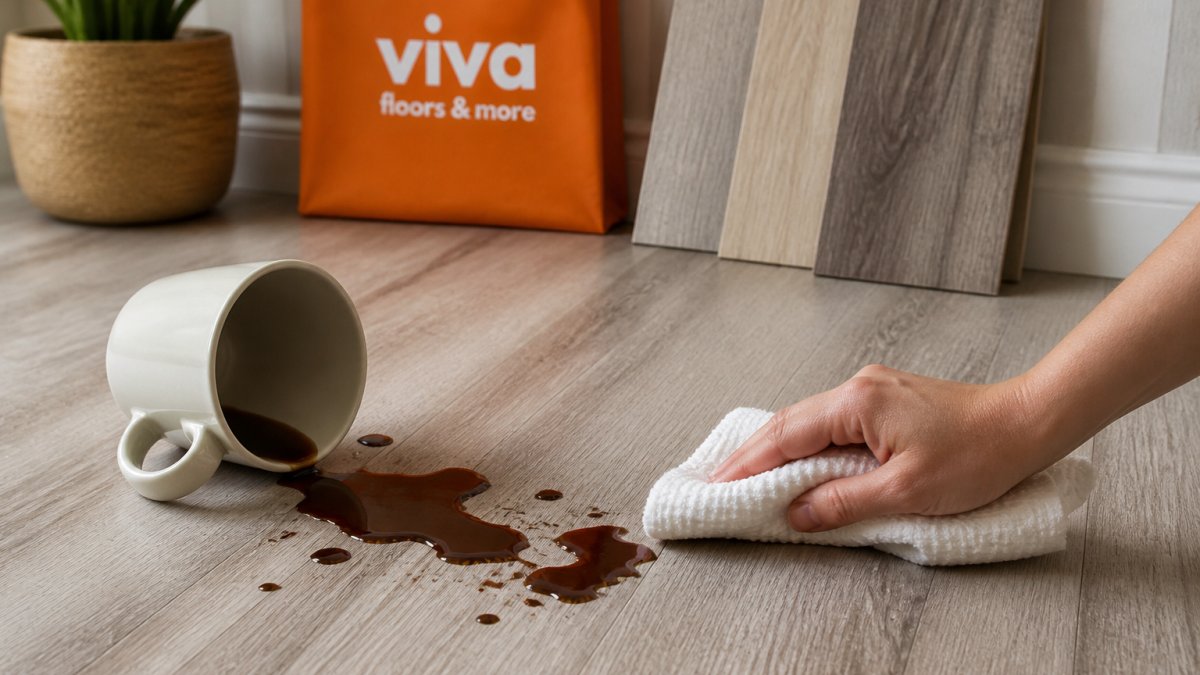
Tile's biggest strength is water and stain resistance. Spills wipe up fast. Pet accidents, muddy shoes, and kitchen splatter don't soak in.
Its biggest weakness is comfort. Tile feels cold and hard underfoot. Grout lines also need regular cleaning and periodic sealing.
Here's the short version:
- Wins: water resistance, stain resistance, scratch resistance, long lifespan, easy mopping
- Falls short: cold underfoot, hard on joints, grout upkeep, cracking risk, higher upfront cost
That trade-off shapes every decision below.
Types of Floor Tile: Ceramic, Porcelain, and Natural Stone
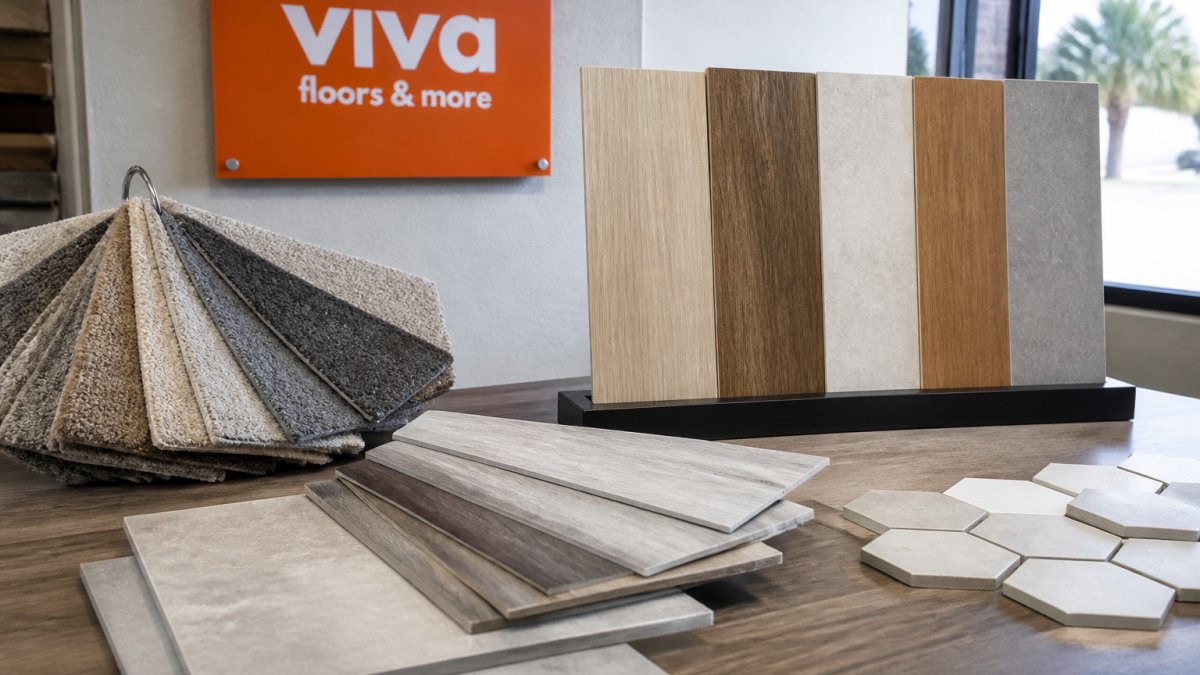
The three main types of floor tile differ by porosity, hardness, and price, and those differences decide where each one belongs. Ceramic is the softest and most affordable. Porcelain is denser and more water-resistant. Natural stone, including marble and travertine, offers unique looks but needs more care.
| Type | Water Resistance | Best For | Maintenance |
|---|---|---|---|
| Ceramic | Moderate | Living rooms, bedrooms | Low |
| Porcelain | High | Kitchens, bathrooms | Low |
| Natural stone | Varies by stone | Entryways, feature floors | High |
Ceramic vs. porcelain: what actually separates them
Both are made from clay, but porcelain is pressed under higher pressure and fired at higher temperatures. That tighter body is why porcelain absorbs very little water, the standard benchmark for water absorption puts porcelain at 0.5% or less, while standard ceramic can run several times higher (Porcelain vs. Non-Porcelain). In practice, that means porcelain handles bathrooms, laundry rooms, and basements with far less risk of freeze-thaw damage or staining from the tile body itself.
Hardness matters too. Tile is rated on a wear scale (often called the PEI rating) from 1 to 5. A PEI 1-2 tile is fine for walls or light-traffic bedrooms; PEI 3 suits most residential floors; PEI 4-5 is built for heavy traffic and commercial use. A cheap ceramic that looks identical to porcelain on the showroom floor may be a PEI 2, fine in a guest room, a poor choice for a mudroom.
Natural stone is not one material
"Natural stone" is a category, not a product, and the differences are large:
- Marble: soft and porous, stains and etches from acids (lemon juice, vinegar, some cleaners), needs sealing and careful cleaning.
- Travertine: warmer and more textured, often filled and honed; still porous and needs sealing.
- Slate: dense and naturally slip-resistant, good for entryways, but can flake along natural cleavage lines.
- Granite: among the hardest and most stain-resistant stones, but heavier and pricier to install.
Every stone is a one-of-a-kind piece, so expect color and veining variation between boxes, order extra for cuts and future repairs.
Wood-look tile is its own decision
Wood-look tile is usually porcelain printed with a wood grain. It gives you tile's water resistance with a plank look, which is why it shows up in kitchens and bathrooms where real hardwood would be risky. The trade-off: grout lines break up the "planks," and the surface is still hard and cold underfoot.
Tile Council of North America installation and material standards
Ceramic Tile Flooring Pros and Cons
Ceramic tile flooring pros and cons start with price and versatility. Ceramic is the budget-friendly option, with the widest range of colors, textures, and wood-look tile styles.
Pros:
- Lowest upfront cost of the three types
- Easy to clean with a damp mop
- Allergy-friendly, since it holds no dust or dander
- Endless design options
Cons:
- Softer body, so it chips more easily under dropped objects
- More porous, so it needs sealing in wet areas
- Grout lines still require scrubbing
Porcelain Tile Flooring Pros and Cons
Porcelain tile flooring pros and cons center on durability. Porcelain is pressed denser and fired hotter, so it resists moisture, stains, and heavy foot traffic better than ceramic.
Pros:
- Very low porosity, so water and stains stay out
- Scratch-resistant and long-lasting
- Works over most subfloors with the right prep
- Handles high-traffic commercial and rental spaces
Cons:
- Costs more than ceramic upfront
- Still hard and cold underfoot
- Can crack if the subfloor flexes
For kitchens, bathrooms, and rentals, porcelain is usually the smarter buy.
Tile vs. Vinyl Plank Flooring: Which Fits Your Home?
Tile vs. vinyl plank flooring comes down to water, comfort, and cost. Vinyl plank is warmer, softer, and faster to install. Tile lasts longer and resists water better in truly wet rooms.
- Choose tile for bathrooms, kitchens, mudrooms, and anywhere moisture is constant.
- Choose vinyl plank for bedrooms, basements, and rooms where comfort matters more than longevity.
- Resale value: both appeal to buyers, but tile reads as more permanent.
Grout, Sealing, and Long-Term Maintenance Costs
Grout maintenance is the hidden cost of tile floors, and it's where most tile budgets quietly break. Grout is porous, so it absorbs spills and dirt unless it's sealed, and the upkeep never fully stops.
The routine, and what it costs in time
- Sweep or vacuum weekly to lift grit before it scratches the surface
- Mop with a pH-neutral cleaner every one to two weeks
- Reseal grout every one to two years in high-traffic areas
- Reapply sealer sooner in bathrooms and kitchens
Sealing takes an afternoon and protects the grout lines. Skip it, and grout stains become permanent. Cement-based grout is the common default; epoxy grout costs more upfront but resists staining and rarely needs resealing, which can pay back over a decade in a busy kitchen or bath.
Lifecycle cost, not sticker price
Upfront price is only the first line item. Over the life of the floor, the real cost stack looks like this:
- Purchase and installation, the visible number
- Grout sealing and cleaning supplies, recurring, small but steady
- Repairs, replacing a cracked tile or regrouting a section
- Replacement, eventually, or never, depending on care
The advantage tile has is repairability. A cracked or chipped tile can often be removed and replaced individually without tearing out the whole floor, a real edge over sheet vinyl or laminate, where damage usually means replacing a whole run. The catch is that you need matching tile on hand; dye lots change, so leftover boxes from the original install are worth keeping.
Where the money actually goes wrong
Most tile regrets trace back to installation, not the tile. A subfloor that flexes, a missing moisture test over concrete, or grout joints that are too wide all shorten the floor's life and drive up repair costs. Spending more on proper subfloor prep and a qualified installer usually costs less over time than fixing a failed floor.
Slip Resistance, Comfort, and Room-by-Room Suitability
Slip resistance depends on the tile finish, not the material. Matte and textured tiles grip better than polished ones. This matters most in bathrooms and entryways.
Comfort is the other half of the story. Tile feels cold underfoot, especially over concrete slabs. Underfloor heating solves that, but adds cost and installation time.
Room-by-room, here's how we'd plan it:
- Bathrooms and kitchens: porcelain, matte finish, sealed grout
- Living rooms: ceramic or wood-look tile for warmth in style
- Bedrooms: consider vinyl plank if comfort tops your list
- Entryways: textured stone or porcelain for grip
For homes with kids, pets, or elderly family members, choose a matte finish and add rugs in high-traffic spots. Tile is allergy-friendly and supports good indoor air quality, since it traps no allergens.
Conclusion: Is Tile Flooring Right for Your Project?
Tile isn't right for every room, but it's hard to beat in wet, high-traffic spaces. If you want durability, easy cleaning, and design range, tile floors deliver. If you want warmth and softness underfoot, mix in vinyl plank or add heated flooring.
At Viva Floors & More, we help you weigh those trade-offs in person, with samples under real lighting and expert advice for homeowners, builders, and DIYers alike. Visit our Pharr or Brownsville showroom to compare ceramic, porcelain, and natural stone side by side. Request an estimate today and get the right floor for your space, budget, and lifestyle.
Frequently Asked Questions
What are the downsides of tile flooring?
Tile floors feel hard and cold underfoot, especially in bedrooms and living rooms, and grout lines collect dirt that needs regular scrubbing and resealing. Tiles can crack or chip if heavy objects drop on them or if the subfloor shifts. Installation costs more than vinyl or laminate because it requires a level subfloor, cement board, and thin-set mortar. These trade-offs are usually worth it in bathrooms, kitchens, and entryways where water resistance matters most.
Is it better to have tile or vinyl plank flooring?
It depends on the room. Tile wins in bathrooms, kitchens, laundry rooms, and covered patios because it handles standing water and heavy traffic without warping. Vinyl plank wins in bedrooms, living rooms, and basements because it feels warmer, costs less to install, and goes down faster over most existing subfloors. Many homeowners use both: tile in wet zones and vinyl plank in dry living areas.
Is porcelain tile better than ceramic tile for floors?
Porcelain is denser and less porous than ceramic because it is fired at higher temperatures, so it resists moisture and stains better in high-traffic areas. Ceramic costs less and works well in low-moisture rooms like bedrooms or hallways. For bathrooms, kitchens, and entryways, porcelain tile flooring usually justifies the higher upfront cost through longer lifespan and fewer repairs.
Do tile floors add value to a home?
Tile floors can support resale value in wet areas like bathrooms and kitchens, where buyers expect a water-resistant hard surface. The effect on overall home value depends on the tile quality, installation, and how well it fits the home's style. A poorly installed tile floor with cracked grout or uneven tiles can hurt a sale, so proper subfloor prep and sealing matter as much as the tile itself.