 blog
blog
Stain Resistant Flooring for Rental Properties
Table of Contents
- Why Stain Resistant Flooring Matters for Rental Properties
- Best Flooring for Rental Properties by Material Type
- Waterproof Flooring for Rentals: Stain Prevention at the Source
- Pet-Friendly Flooring for Rental Homes That Resists Damage
- Durability, Wear Layers, and Stain Resistance Standards
- Lifecycle Cost and Replacement Planning for Rental Flooring
- Maintenance and Cleaning Protocols Between Tenants
- Frequently Asked Questions
Last Updated: October 11, 2026
Why Stain Resistant Flooring Matters for Rental Properties
Protecting your rental investment starts with the right flooring choice. Stain resistant flooring for rental properties prevents costly replacements between tenants and maintains property value over time. When a tenant moves out, flooring that resists spills, pet accidents, and everyday wear reduces turnover costs significantly.
At Viva Floors & More, we work with property owners across South Texas who understand that durability directly impacts profitability. A single deep stain or water damage can force expensive refinishing or complete replacement. Stain resistant flooring eliminates that risk.
The difference between standard flooring and stain resistant options comes down to surface protection. Materials engineered to resist staining keep your property looking newer longer, reduce maintenance headaches, and make cleaning between tenants faster and cheaper. This matters whether you manage one rental or a portfolio.
Best Flooring for Rental Properties by Material Type
Choosing the right material determines how well your rental withstands tenant use. Different flooring types offer varying levels of stain resistance, durability, and maintenance requirements. The best choice depends on which spills and accidents are most likely in your property and how quickly they can be cleaned.
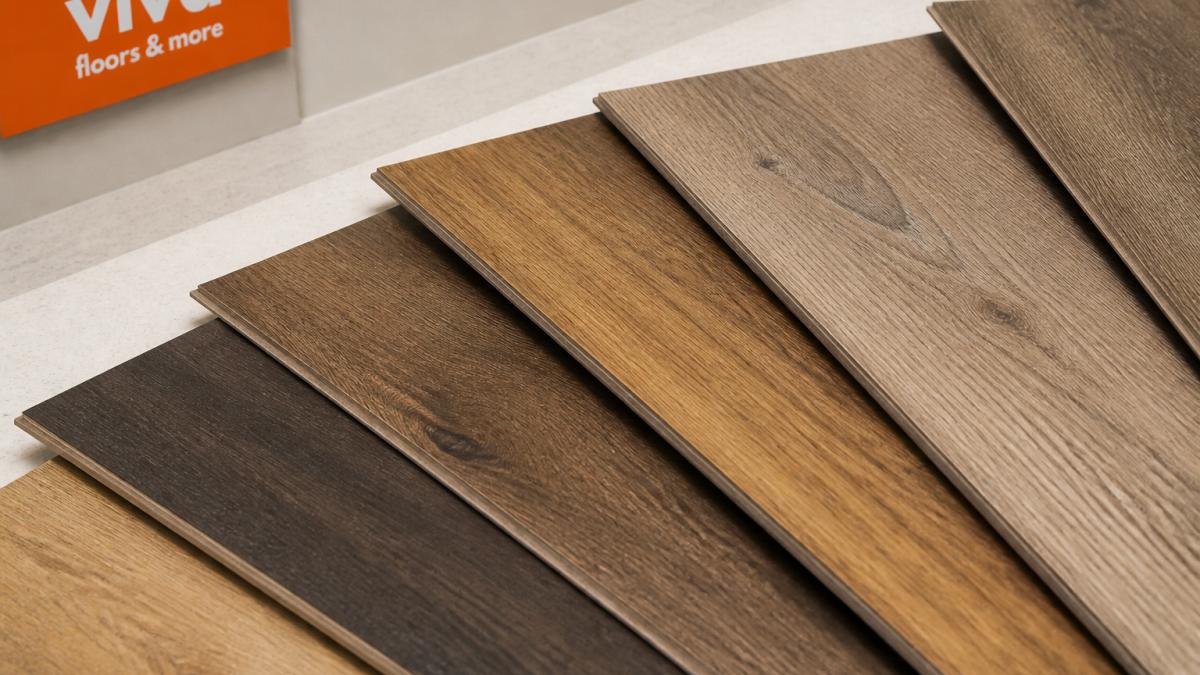
Luxury Vinyl Plank for Rental Property Performance
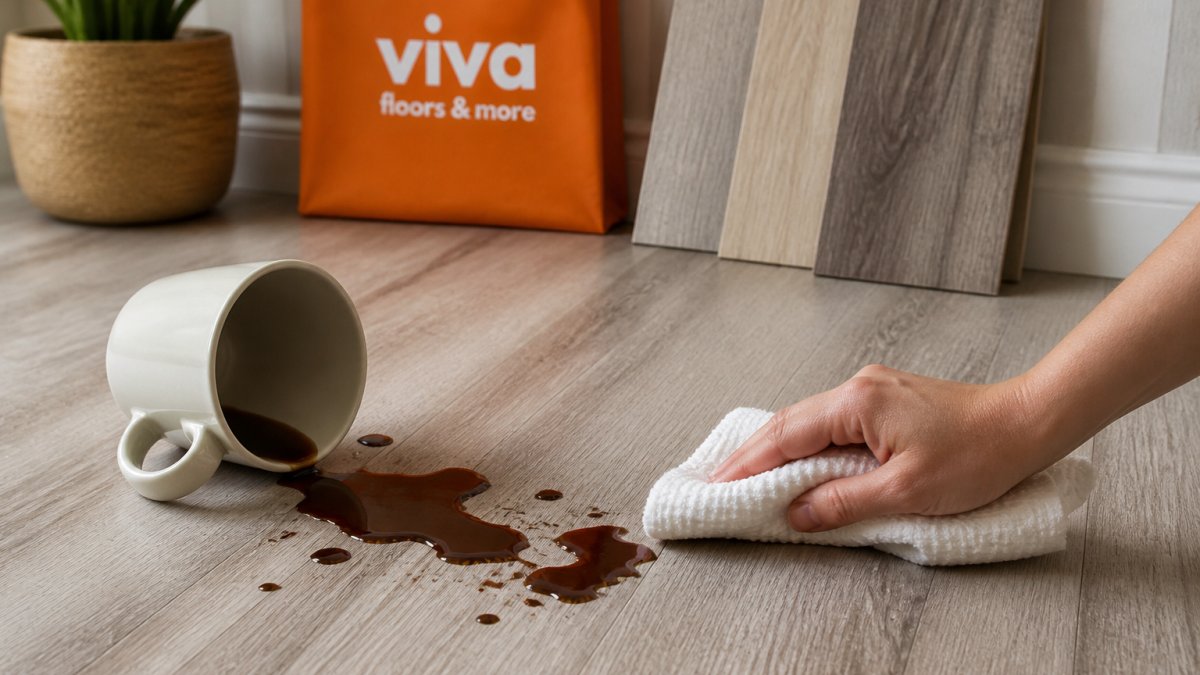
Luxury vinyl plank dominates rental properties because it handles abuse and stains reliably. LVP resists stains because liquids sit on the surface rather than absorbing into the material. Spilled wine, pet urine, or muddy water wipes clean without setting, even if cleanup is delayed by several hours.
The wear layer on quality LVP resists scratches and dents from furniture and tenant activity. Installation is straightforward, meaning faster turnover between tenants.
Stain performance by spill type:
- Coffee and tea: Clean completely with a damp cloth; no permanent discoloration
- Red wine: Wipes clean if addressed within 24 hours; does not set into the surface
- Pet urine: Sits on the surface; can be cleaned with enzymatic cleaner without odor absorption
- Grease and cooking oil: Requires mild detergent but does not penetrate or leave residue
- Mud and dirt: Dries on the surface and vacuums away; does not stain
The non-porous surface also prevents odor absorption, a critical advantage in pet-friendly rentals. SPC vinyl (stone plastic composite) adds extra rigidity compared to standard LVP, resisting dents from dropped objects while maintaining complete water resistance.
Ceramic and Porcelain Tile
Tile offers unmatched stain resistance. The glazed surface prevents liquids from penetrating. Porcelain tile is denser than ceramic, making it more resistant to cracking under heavy traffic or dropped objects.
Stain performance by spill type:
- Coffee, tea, and juice: Wipe clean immediately; glazed surface does not absorb
- Red wine and food dyes: May stain grout lines but not the tile itself
- Pet urine: Sits on the surface; sealed grout prevents odor from setting in seams
- Grease and cooking oil: Requires standard tile cleaner; does not penetrate
- Mud and dirt: Dries on the surface and sweeps away cleanly
Grout lines are the weakness in tile installations. Unsealed grout absorbs stains quickly and harbors odors from pet accidents. Using epoxy grout instead of standard grout eliminates this problem. Epoxy grout is stain-proof, odor-resistant, and does not require sealing. Porcelain tile rated for commercial use handles rental property demands without showing wear. Installation costs are higher than LVP, but tile resists damage for decades, making it a durable option over the long term.
Laminate Flooring
Laminate resists surface stains through its protective melamine layer, but moisture is the enemy. Water that seeps into seams causes swelling and buckling. Laminate works in dry climates or properties where moisture control is guaranteed, but it is not ideal for rentals with unpredictable tenant behavior.
Stain performance by spill type:
- Coffee and tea: Wipe clean immediately; surface resists staining if dried quickly
- Red wine: Can stain if left to dry; requires prompt cleanup
- Pet urine: Absorbs into seams; creates permanent odor and swelling
- Grease and cooking oil: Sits on the surface but can leave residue if not cleaned promptly
- Water and moisture: Penetrates seams and causes irreversible damage
The cost advantage of laminate appeals to budget-conscious landlords. However, repairs may require replacing entire planks. In humid climates or properties with moisture risk, laminate may not be a reliable choice.
Carpet and Carpet Tiles
Traditional broadloom carpet absorbs everything. Spills set permanently unless treated immediately. Carpet tiles offer better rental flexibility because individual tiles can be replaced when stained. Stain-resistant treatments help, but they fade over time.
Stain performance by spill type:
- Coffee and tea: Absorb into fibers; require immediate professional cleaning to prevent permanent staining
- Red wine: Sets quickly; professional extraction may not fully remove color
- Pet urine: Soaks through to the subfloor; creates permanent odor even after cleaning
- Grease and cooking oil: Attracts dirt and darkens fibers over time
- Mud and dirt: Dries in fibers; vacuuming removes surface dirt but not embedded soil
Solution-dyed nylon and polyester fibers resist staining better than piece-dyed fibers because color is built into the fiber itself. Carpet tiles allow replacement of stained sections without replacing the entire floor, reducing turnover costs compared to broadloom. However, even stain-resistant treatments cannot prevent urine from soaking through to the subfloor, creating permanent odor problems in pet-friendly rentals. Carpet works best in climates where moisture is not a concern and in properties where you can enforce strict no-pet policies. For most rental properties, carpet is the highest-maintenance option despite its lower upfront cost.
Waterproof Flooring for Rentals: Stain Prevention at the Source
Water resistance and stain resistance work together. Waterproof flooring for rentals prevents moisture from reaching the subfloor, protecting your investment from the most common source of damage.
Luxury vinyl plank and tile both offer waterproof construction. The core material resists moisture penetration. This matters in bathrooms, kitchens, and laundry areas where spills are inevitable. Waterproof flooring also handles humidity without warping, a critical advantage in South Texas climates.
SPC vinyl (stone plastic composite) adds extra rigidity compared to standard LVP, resisting dents from dropped objects while maintaining complete water resistance.
Pet-Friendly Flooring for Rental Homes That Resists Damage
Tenants with pets create specific challenges. Urine damages most flooring materials unless cleaned immediately. Pet-friendly flooring for rental homes must resist both staining and odor absorption.
Luxury vinyl plank and porcelain tile both handle pet damage. Urine sits on the surface and can be cleaned before it sets. Sealed grout in tile installations prevents odor from lingering in seams. LVP's non-porous surface won't harbor bacteria or smell.
Avoid carpet in pet-friendly rentals. Even stain-resistant treatments can't prevent urine from soaking through to the subfloor, creating permanent odor problems.
Durability, Wear Layers, and Stain Resistance Standards
Understanding product specifications is essential for comparing flooring objectively. Landlords often rely on marketing claims, but industry standards provide measurable benchmarks that predict real-world performance.
Wear Layer Thickness and Traffic Ratings
Wear layers are measured in mils (thousandths of an inch) and directly correlate to how long flooring resists visible scratching and fading.
For laminate and vinyl, the AC rating system (Abrasion Class) standardizes traffic durability.
For tile, look for the Porcelain Enamel Institute (PEI) rating, which ranges from 0 to 5.
Stain Resistance Testing Standards
Stain resistance is tested under controlled conditions and rated on a scale. The American Society for Testing and Materials (ASTM) publishes standard test methods for flooring stain resistance. Products exposed to common household substances, coffee, red wine, vinegar, mustard, and others, are rated on how easily stains are removed after a set time. Manufacturers often publish these ratings in technical data sheets.
Carpet stain resistance is measured differently. Solution-dyed nylon and polyester fibers resist staining better than piece-dyed fibers because color is built into the fiber itself, not applied to the surface. Stain treatments applied to carpet provide additional protection but may degrade over time with normal cleaning and foot traffic.
Water Resistance and Moisture Vapor Transmission
Water resistance is not the same as waterproofing. Luxury vinyl plank and SPC are waterproof, they prevent moisture from penetrating the core material. Laminate is water-resistant only at the surface; water that seeps into seams causes swelling and permanent damage.
For products installed in bathrooms, kitchens, or laundry areas, check the moisture vapor transmission (MVT) rating. This measures how much moisture vapor passes through the flooring over time.
Comparing Products Objectively
When evaluating flooring for a rental property, request the technical data sheet from the manufacturer. Key specifications to compare:
- Wear layer thickness (mils)
- AC or PEI rating
- Stain-resistance rating (ASTM scale)
- Moisture vapor transmission rate
- Warranty coverage (compare length and what damage is covered)
- Installation method (glue-down vs. click-lock affects repair costs)
These specifications allow you to compare products from different manufacturers on equal terms, rather than relying on brand reputation or showroom appearance alone.
Lifecycle Cost and Replacement Planning for Rental Flooring
The cheapest flooring upfront often costs the most over time. Stain resistant flooring for rental properties requires calculating total cost of ownership, not just purchase price.
Luxury vinyl plank costs more initially than laminate but lasts longer and requires less maintenance. Tile costs more to install but resists damage for decades. Carpet offers a lower upfront cost but may require more frequent replacement in rental properties.
Plan replacement cycles into your budget. Properties with multiple units benefit from bulk purchasing through a flooring partner like Viva Floors & More, where inventory availability and professional guidance reduce downtime between tenants.
| Flooring Type | Stain Resistance | Water Resistance | Durability | Maintenance |
|---|---|---|---|---|
| Luxury Vinyl Plank | Excellent | Excellent | 10-20 years | Low |
| Porcelain Tile | Excellent | Excellent | 25+ years | Medium |
| Laminate | Good | Poor | 5-10 years | Low |
| Carpet Tiles | Fair | Poor | 3-5 years | High |
Maintenance and Cleaning Protocols Between Tenants
The right flooring reduces cleaning time between tenants. Stain resistant flooring for rental properties should require only basic cleaning to restore appearance.
For luxury vinyl and tile, vacuum or sweep first, then mop with a pH-neutral cleaner. Avoid excess water on vinyl. For stubborn stains on vinyl, a soft brush and mild detergent work without damaging the surface.
Establish a cleaning protocol for your property manager. Document what works so consistency improves turnover speed. Properties with low-maintenance flooring can help reduce labor costs and speed up tenant transitions.
Choosing stain resistant flooring for rental properties is an investment in long-term profitability. The right material reduces turnover costs, speeds tenant transitions, and keeps your property competitive in the rental market.
Frequently Asked Questions
What is the most stain-resistant flooring for a rental property?
Luxury vinyl plank (LVP) and porcelain tile are the top choices for stain resistance in rentals. LVP has a protective wear layer that resists spills, pet accidents, and food stains, while porcelain tile is non-porous and repels liquids entirely. Both are easy to wipe clean and won't absorb stains into the material. Ceramic tile offers similar benefits at a lower cost but is slightly more porous. Laminate and carpet are more vulnerable to staining and moisture damage.
Is luxury vinyl plank a good choice for rental properties?
Yes, luxury vinyl plank is excellent for rentals because it combines stain resistance, water resistance, and durability at a mid-range cost. The wear layer protects against scratches and spills, and the rigid core prevents moisture from reaching the subfloor. LVP tolerates heavy foot traffic, pet claws, and dropped items without visible damage. Installation is straightforward, and damaged planks can be replaced individually without affecting the entire floor, reducing turnover costs.
How do you protect rental flooring from stains?
Choose waterproof or water-resistant materials like LVP, porcelain tile, or SPC vinyl as your foundation. Apply appropriate sealants to porous materials like laminate or natural stone if used. Establish clear tenant guidelines prohibiting barefoot water exposure and requiring prompt cleanup of spills. Schedule professional cleaning between tenants using stain-removal protocols specific to your flooring type. For high-risk areas, consider carpet tiles that can be replaced individually rather than recarpeting the entire room.
What flooring holds up best to pets and spills in a rental?
Waterproof flooring like luxury vinyl plank, porcelain tile, and SPC vinyl withstand pet accidents and spills without staining or warping. LVP's wear layer resists scratches from claws, while tile and vinyl are completely water-resistant. Avoid laminate, which swells and stains with moisture, and light-colored carpet, which shows pet damage quickly. If using carpet, choose carpet tiles in darker, patterned styles that hide stains and allow you to replace only the damaged section rather than the entire floor.